

Burnout has been the recurring theme in every collaborative CEO/founder meeting I’ve sat in on over the past month or so (or the “third sector”, “VCSE”, “nonprofit world”… whatever we’re calling it this week). Not as a passing comment, but as a steady undercurrent. You can hear it in the tone of voices, in the pauses, in the slightly-too-long silences after someone asks, “How are things going?”
On paper, these are resilient, experienced people doing meaningful work for a wide range of different causes. In reality, many of them are exhausted and out of ideas. Funding is tightening, the political landscape surrounding their particular cause feels increasingly unstable, and there’s a growing sense that lived experience is still not being listened to in the way we’ve all been pushing for. It’s a lot, and it’s happening across the board, not just in one pocket of the sector. I don’t feel separate from that, I recognise it.
One of the things I think people often misunderstand about ME Foggy Dog is what my day-to-day work actually looks like. From the outside, it’s easy to assume that it’s mostly about raising awareness of Myalgic Encephalomyelitis (M.E), creating social media content, and being visible within the community. Yes, that all still exists from our time as a social media-driven brand (2014-18), but it’s not where most of my time or energy goes anymore. The real work, the time-consuming and draining work, is about reaching outside our bubble for maximum social impact.
It’s about trying to build something that is sustainable in the long term. Something that isn’t entirely dependent on short-term funding or the unpredictability of goodwill (volunteering or donations). That means thinking like a social enterprise, not just a community-led initiative. It means constantly looking for funding opportunities, those little “life rafts” that keep us moving forward (that sole trader social enterprises, such as ME Foggy Dog are rarely eligible for!) and trying to connect with audiences, partners, and decision-makers who aren’t already immersed in the M.E world. That kind of work is often invisible, and it’s neverendingly relentless. You don’t ever really “finish” it.
Then there’s the social media side of things, which has changed beyond recognition since ME Foggy Dog first started in 2014. Back then, it made sense to be a social media-driven brand. It was effective, manageable, and importantly for me at the time, it aligned with my career. I ran my own social media marketing company for a short time after leaving full-time employment, so that space felt like home. These days, it’s a completely different landscape. Algorithms have shifted and social media is all the poorer for it, public behaviour has altered, and the expectations around content have changed. There are organisations and individuals doing absolutely brilliant, highly engaging work online, far better than what I’m now able to produce, but they often have the time and/or teams to do that. To operate at that level now would be a dedicated job in itself. Not a sideline, not something you dip into between other tasks. That’s simply not something I can do.
Because alongside everything else, I’m also managing an energy-limiting condition. I can work for up to about 16 hours per week, and over time I’ve become very good at making those hours count. I can prioritise quickly, work efficiently, and get through a lot in a short space of time. But there is always, without fail, a long list of things left undone at the end of the day, and most of those things are the unglamorous, non-public-facing parts of running a social enterprise. Governance, finance, strategy, compliance, partnerships… all of the behind-the-scenes work that keeps things afloat. Remember, I’m doing all of that across two social enterprises.
Even writing it down, seeing it written down, I can see why people might worry that I’m doing too much. It’s something I’m very aware of myself. But one of the things I’m incredibly grateful for is that I’m not managing this in isolation. My Directors, Team Stripy, are very clear: my health is not an afterthought, it’s a central factor in everything we do. They’ve said to me more than once that without me, there is no Stripy. Which is both flattering and slightly terrifying at the same time. But it does mean that every decision we make includes a check against what is realistically sustainable for me. If something isn’t M.E-friendly, it doesn’t matter how successful it’s been for another organisation, it’s not a good fit for us. It forces a level of creativity and honesty that you don’t always see elsewhere. We even explicitly factor my health into our SWOT analyses. It sits there, very clearly, as a risk. Not because anyone is being pessimistic, but because it’s the reality we’re working within, and ignoring that reality would be far more risky in the long run.
That said, the threat of burnout has still been quietly building in the background for a while. Not suddenly, not dramatically, but in that slow, creeping way that’s easy to miss until you take a step back. Since around 2020, there’s been a noticeable increase in “extra everything”. Extra projects, extra collaborations, extra issues that feel urgent, important, and impossible to ignore. Working in this space, it’s very hard not to get pulled into those things. When you see problems affecting your community, the instinct is to help, to fix, to respond. But those one-off responses often evolve into long-term commitments, and before you know it, you’re juggling something that has grown far beyond its original scope. It becomes another ongoing demand on time and energy, gradually shifting your focus away from your core purpose.
For both social enterprises, that core purpose is clear: to improve the lives of people living with M.E.
Over the past 9 months or so, I’ve been stripping things back. Stepping away from projects where I can, being more selective about collaborations, and asking some quite blunt questions about what we’re doing and why we’re doing it. It’s a bit of a “back to basics” approach. Less reacting, more focusing time and energy. Less being pulled into every new issue, more protecting the limited energy I have for the work that really matters. Hearing other CEOs talk about growing numbers of people leaving the sector altogether has definitely sharpened that thinking. These are people who care deeply about what they do, and if they’re reaching the point where walking away feels like the only sustainable option, then something isn’t working at a much bigger, systemic level.
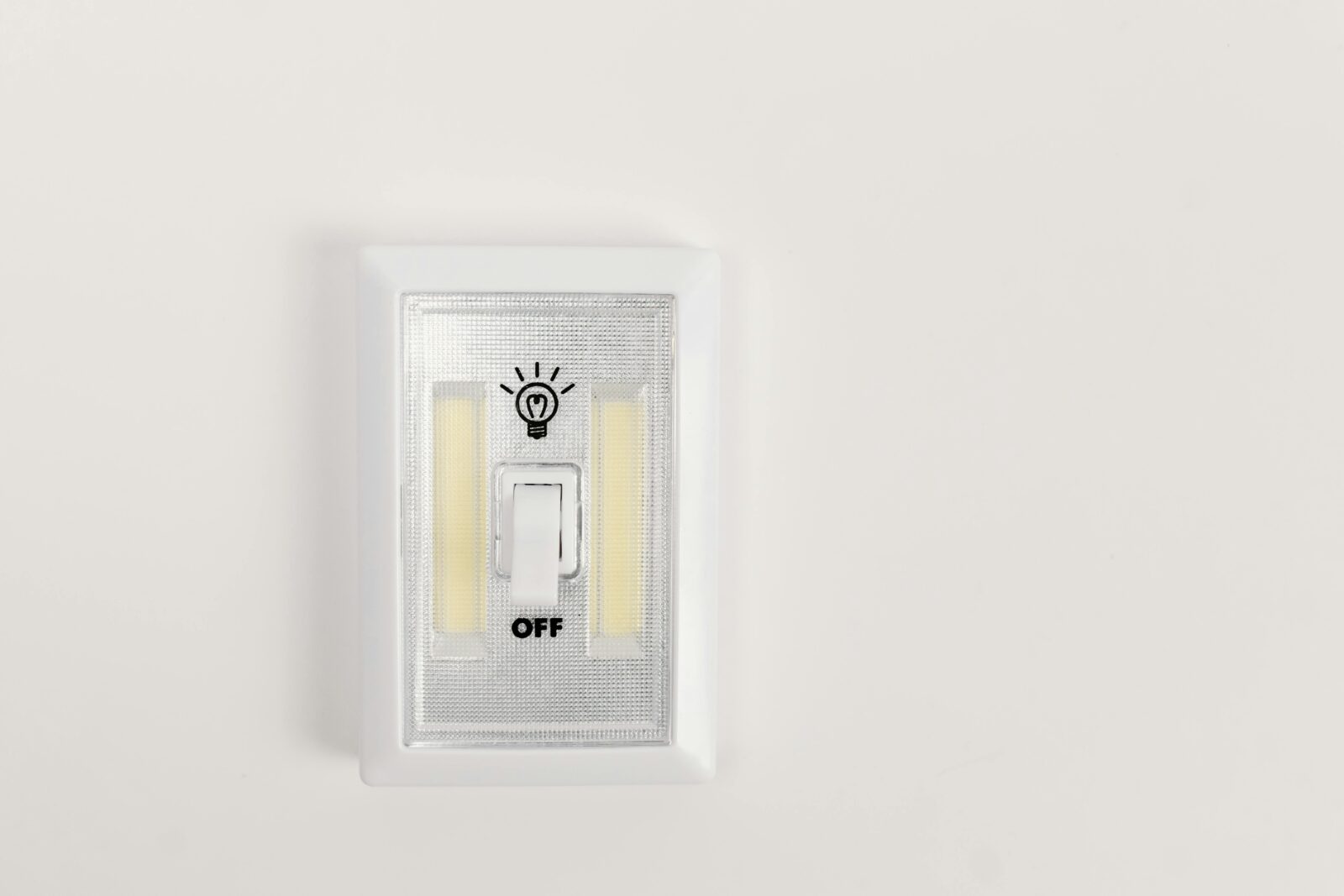
All of which is why, as I sit here finishing up work for the week, I feel an overwhelming sense of relief knowing that I’m about to take a proper break. Not just a change of pace, but an intentional switch-off from everything work-related. The kind where you step away mentally, as well as physically. That rush of relief is probably the clearest sign that I need it. So for the next week or so, I’m planning to do something quite radical (for me, anyway): turn myself off, and then, hopefully, turn myself back on again afterwards in a slightly better state than I am now. I haven’t done this since last August (Norfolk Broads holiday!) and it feels long overdue.
If there’s one thing that all of this keeps bringing me back to, it’s that sustainability isn’t just about organisations, funding models, or business plans. It’s about people. If the people at the centre of these organisations burn out, then everything else becomes irrelevant.
So this is me, taking own advice for once… and stepping away before my battery runs completely flat.
Love Sally
and Foggy (OBVIOUSLY) xx